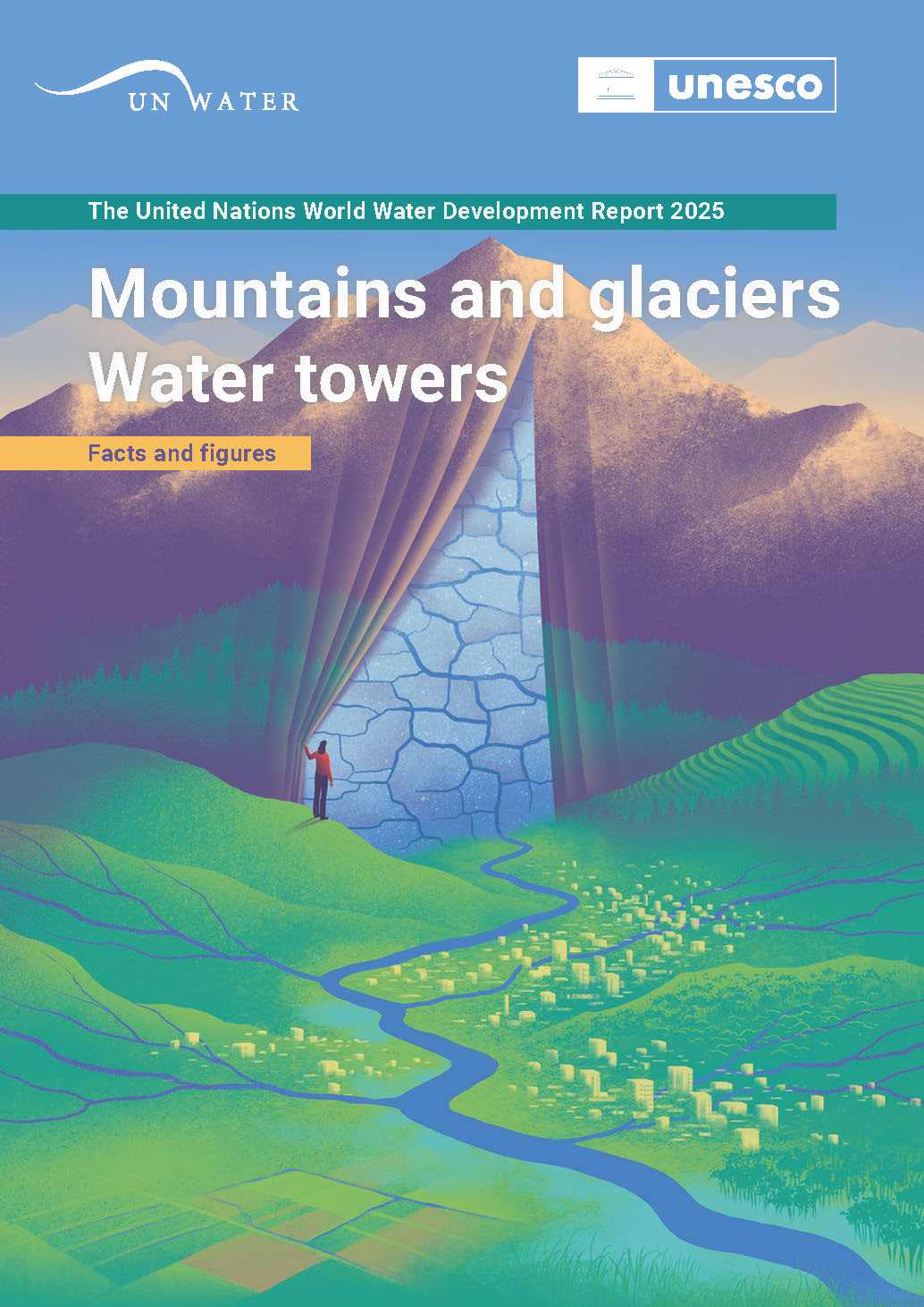
Mountains and glaciers: Water towers
The UN issued its latest report addressing solutions to help us simultaneously mitigate and adapt to rapid changes in our frozen water resources. The report highlights the urgent threats posed by glacier and snowpack retreat to women’s livelihoods, health and rights – especially to mountain and downstream communities. Some of the key findings in this report include: water collection burden, health and sanitation risks, food security threats and increased disaster vulnerability.
Water Collection Burden: Women and girls still carry primary responsibility for household water collection in 2 out of 3 homes globally. The result of melting glaciers means longer, more hazardous journeys thus greater risk to personal safety and health.
Health and Sanitation Risks: The insecure access to clean water for personal sanitation disproportionately harms women and girls, including risk of infections, maternal and neonatal deaths and barriers to menstrual and reproductive hygiene management.
Food Security Threats: The result of diminished glacier-fed water resources undermine irrigation for two thirds of the world’s agriculture, jeopardizing food security and rural livelihoods especially for women, who supply a large share of agricultural labor.
Increased Disaster Vulnerability: Melting glaciers boost the risk of natural disasters such as floods and glacial lack outbursts, not only undermining safety but also disrupts access to vital resources for families and communities.
Marginalized Decision Making: The report finds that women are still underrepresented in water management and policy consultations, leading to gaps to address their specific needs in glacier and mountain regions.
References:
UN World Water Development Report: “Mountain and Glaciers: Water Towers”
https://www.unesco.org/reports/wwdr/en/2025
Water and Gender facts - WASH ( water, safety and hygiene)