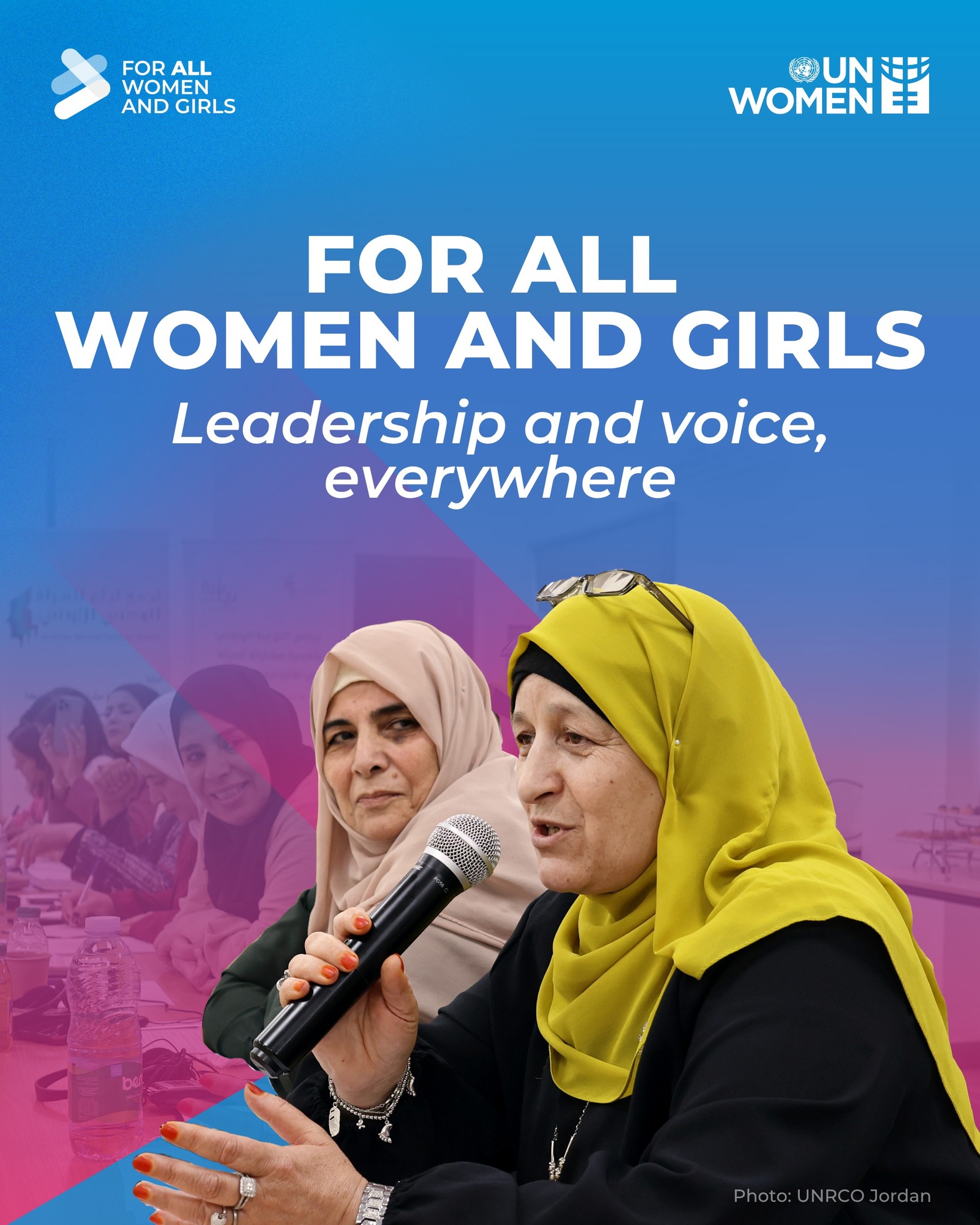
In the 80-year history of the United Nations there has never been a woman as secretary general.
This year as Secretary-General Antonio Guterres's second term ends on December 31, 2026, many are saying, “It's Her Turn!”
One group that is actively campaigning to elect a woman secretary general (SG) (www.womansg.net) has compiled a list of notable women. Several are leaders of UN entities including UN Women Executive Director Sima Sami Bahous of Jordan and Rebeca Grynspan, a Costa Rican economist and head of the UN Conference on Trade and Development (UNCTAD). There are also some well-known political figures such as former Chilean president Michelle Batchelet and New Zealand's ex-prime minister Jacinda Arden.
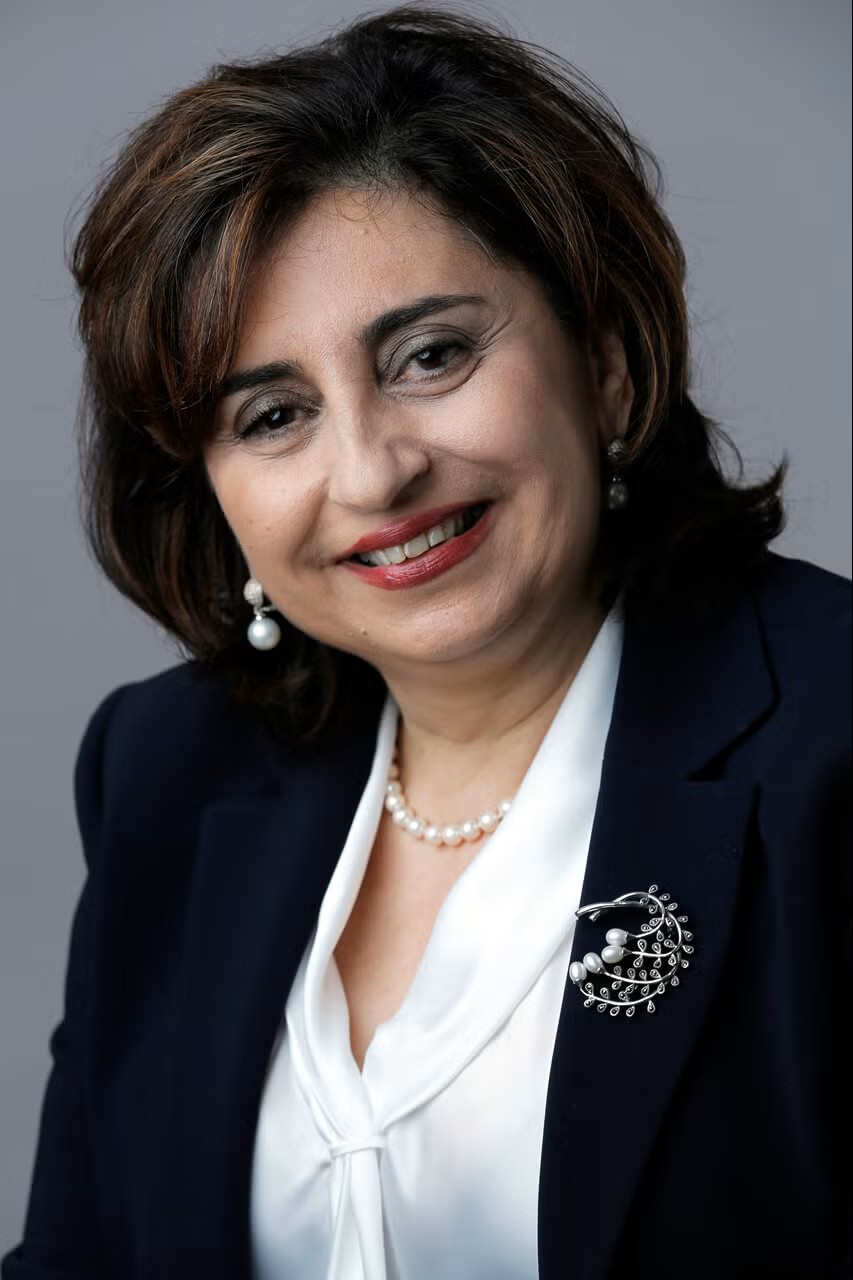
UN Women Executive Director
Photo Evan Schneider
In UN tradition there is a regional rotation and the next choice should be from Central and South America. But there's no guarantee and the selection process ultimately rests with the Security Council.
Nominations from member states must be submitted by April 1 for candidates who want to take part in the public interactive dialogues starting the week of April 20. These sessions, which will be webcast live, allow candidates to present their vision statements and answer questions from member states. Civil society groups are also to be invited to participate (we'll have to keep an eye out for that).
Rafael Mariano Grossi, an Argentine who is director-general of the International Atomic Energy Agency, has already officially announced his bid.
The next secretary-general will serve a five-year term from 2027 to 2031 which Germany's Annalena Baerbock, current president of the UN General Assembly, described in a recent speech as a time when the UN is “not only under pressure, it is under attack,” citing wars in Gaza, Sudan and Ukraine, as well as growing divisions over human rights, climate change and international law, the independent, non-profit PassBlue newsletter reported.
“Our choice will also demonstrate whether this organization and its member states truly serve all of humanity, half of whom are women and girls,” she added.
But is the choice of a female SG realistic?
The full 15-member Security Council will vote on a short list of nominees until there is consensus on one to send for a vote by the General Assembly. But the five permanent members – the United States, Russia, China, France and Great Britain – still hold veto power. In the last competitive round for SG in 2016 the process wrapped up by the end of October.
At a seminar I attended last year on this topic a Bangladeshi diplomat gave a reality check. “I can't see Trump and Putin agreeing on a woman,” he said, while adding if they did it would likely be a right-wing conservative woman.
And that raises the question: Should women's rights advocates support a woman nominee for SG who is not a feminist?
One thing we know: ICUUW's support for the mission of the UN is unwavering.
Again, to quote Baerbock: “The work of this organization has never been easy... It was not built for easy victories. It was built for lasting peace and for the resolve never to give up.”