LATEST NEWS
- Details
- By Elgiva Shullai, ICUUW Vice President
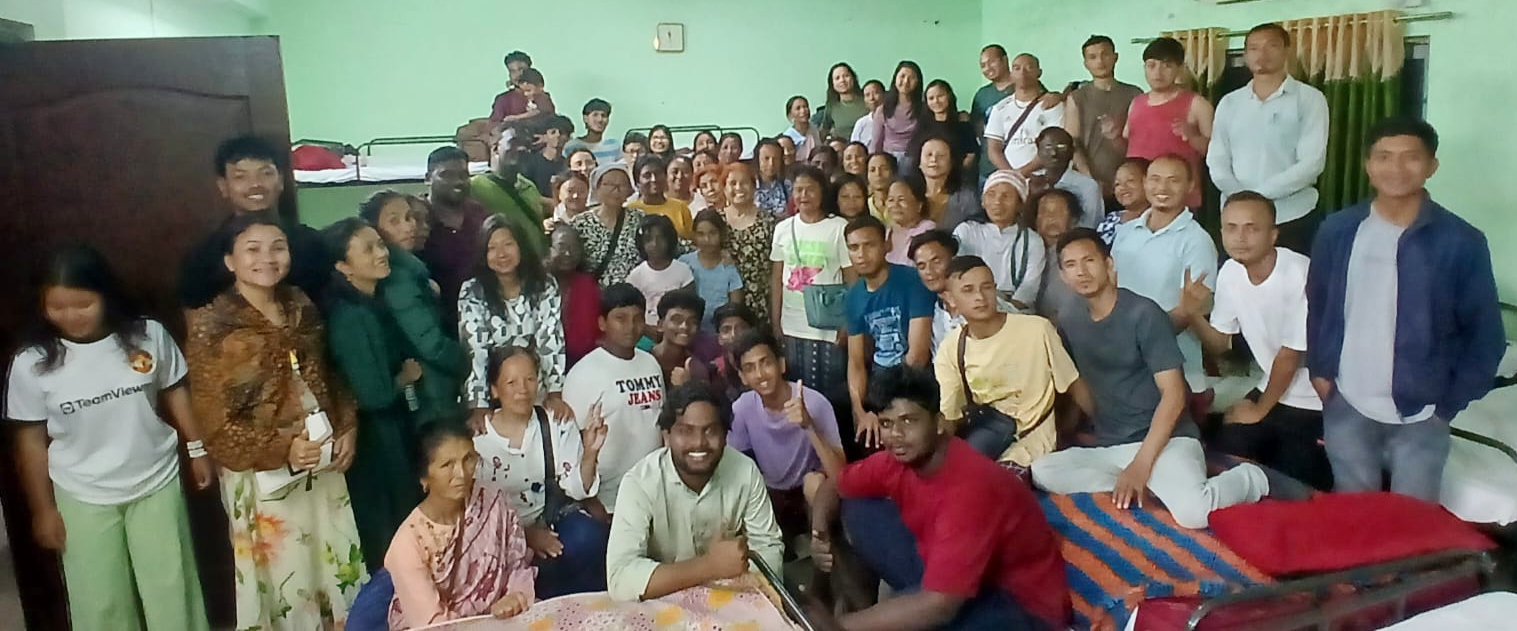
In early January 2026 , about 120 members of the Indian Council of Unitarian Churches (ICUC) travelled to Chennai in the South Indian state of Tamil Nadu. They came from the state of Meghalaya with its churches in the Khasi Hills, Jaintia Hills and Karbi Anglong district, as well as a congregation in the neighboring state of Assam. Other members of ICUC travelled from Gujarat, a state on the border to Pakistan. Their journeys took them across 3000 kilometers to attend the 10th ICUC conference.
- Details
- By Rev. Carol Huston, chair of the UN Advocacy Committee
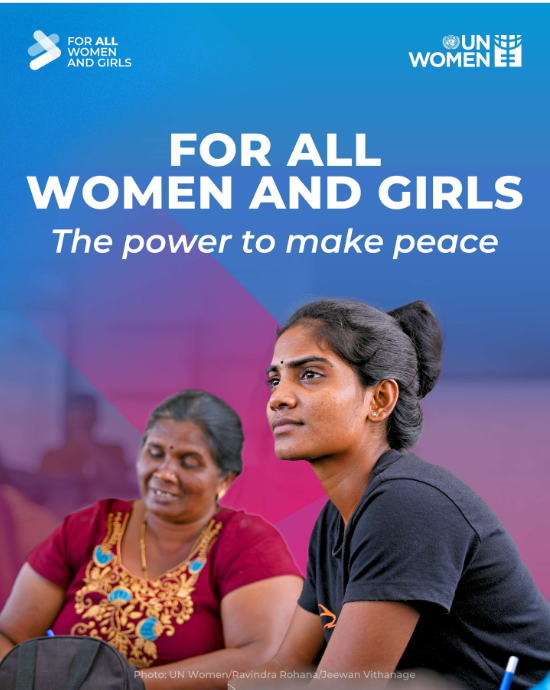
This is the busy time of year for the UN Advocacy Committee. We observe and attend UN events year-round, but our mission calls us to be active at the annual meeting of the Commission on the Status of Women (CSW) to be held March 9-20. ICUUW will have a delegation of more than 10 in New York City to attend CSW in person. We will meet to discuss what we are seeing and hearing and perhaps craft statements (interventions) in response to what is happening.
This should be an interesting year given the fact that the world order is changing, perhaps even turning away from the mission of the UN. It is troubling to know that many of us are citizens of the nation which is driving that change, but we probably won’t feel anti-UN sentiment as individuals. After all, we are US citizens who still hope the UN mission will go forward.
- Details
- By ICUUW Staff
UU Women's Federation
In March and April, UUWF is hosting a workshop for its members on Feminist Use of Power. "Power in our justice movements is a tricky subject. As Unitarian Universalists, our values ask us to share the wealth of power and dismantle harmful, hierarchical tactics to center those most marginalized. At UUWF, we don't see power as this all-or-nothing terror - we know that when used for the common good, power in our movements can change lives for the better." Register now.
European Unitarian Universalists
In April, EUU is gathering for its Spring Seminar Captain of My Soul: Orienteering a Faithful Life. What inner compass guides your choices? How do you navigate the freedom of being fully and authentically yourself while building a life of meaning and integrity? Over this weekend retreat, we will explore how to chart journeys shaped by Unitarian Universalist values, grounded in our deepest ethical principles, and fueled by our boldest dreams. More information is available on the EUU website.
UU Women and Religion
New officers have been elected, and there are fresh items in their online Store. Check out their website to browse their offerings.
The Unitarian Universalist Church of the Philippines
UUCP are very active on their FaceBook page with beautiful posts.
UU Worldwide Youth Network (UUWYN)
UUWYN connects young people from all over the world for peace-building, service, and leadership.
SisterSoUUrce
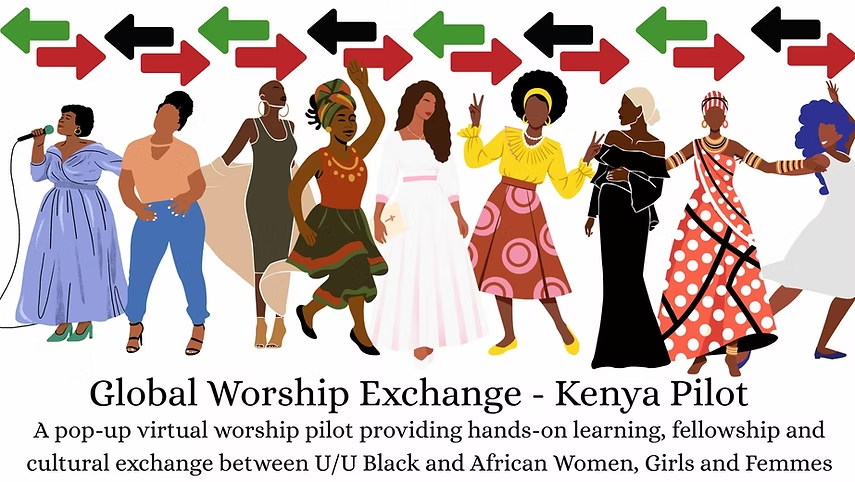
Sister SoUUrce Executive Director Rev. Crystal Saiyge is co-hosting a Global Worship service on the 4th Saturday each month, with groups from the UU Church in Kenya.
- Details
- By Karen Kortsch, Communications Committee
Did you know that ICUUW has its own YouTube channel? It is a great place to learn more about our programs and activities. If you missed one of our online events, you will likely find the recording here. From recordings of recent events, such as our Member Connection Call this past November, to our journey to Bolivia in 2015, a wealth of enriching experiences await you.
- Details
- By Carmen Capriles, UN Advocacy Committee
Gender and climate change
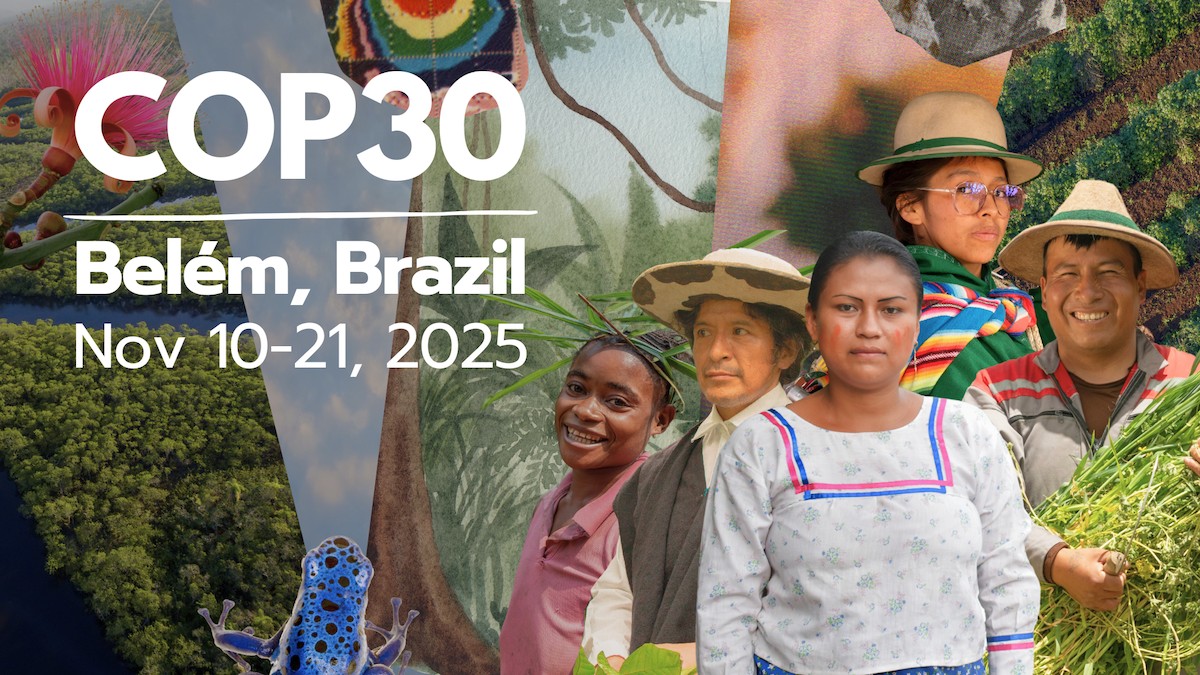
In November 2025, Belém, Brazil hosted COP30—the 30th annual United Nations Climate Change Conference. “COP” (Conference of the Parties) refers to all states that are parties to a legally binding international treaty on climate change. Each year at COP, the governments come together to review the implementation of the Convention and take decisions necessary to promote the effective implementation of the Convention.
This particular conference was described as an “Implementation COP,” meaning it focused less on new promises and more on putting existing commitments into action. It also served as a ten-year check-in on the Paris Agreement, the global climate pact adopted in 2015. Media attention centered on familiar themes: moving away from fossil fuels, protecting the Amazon rainforest, and renewed efforts to stop deforestation. Indigenous leaders were also highly visible, reminding the world that climate protection and human rights are deeply connected.
- Details
- By Beth O'Connell, UN Advocacy Committee
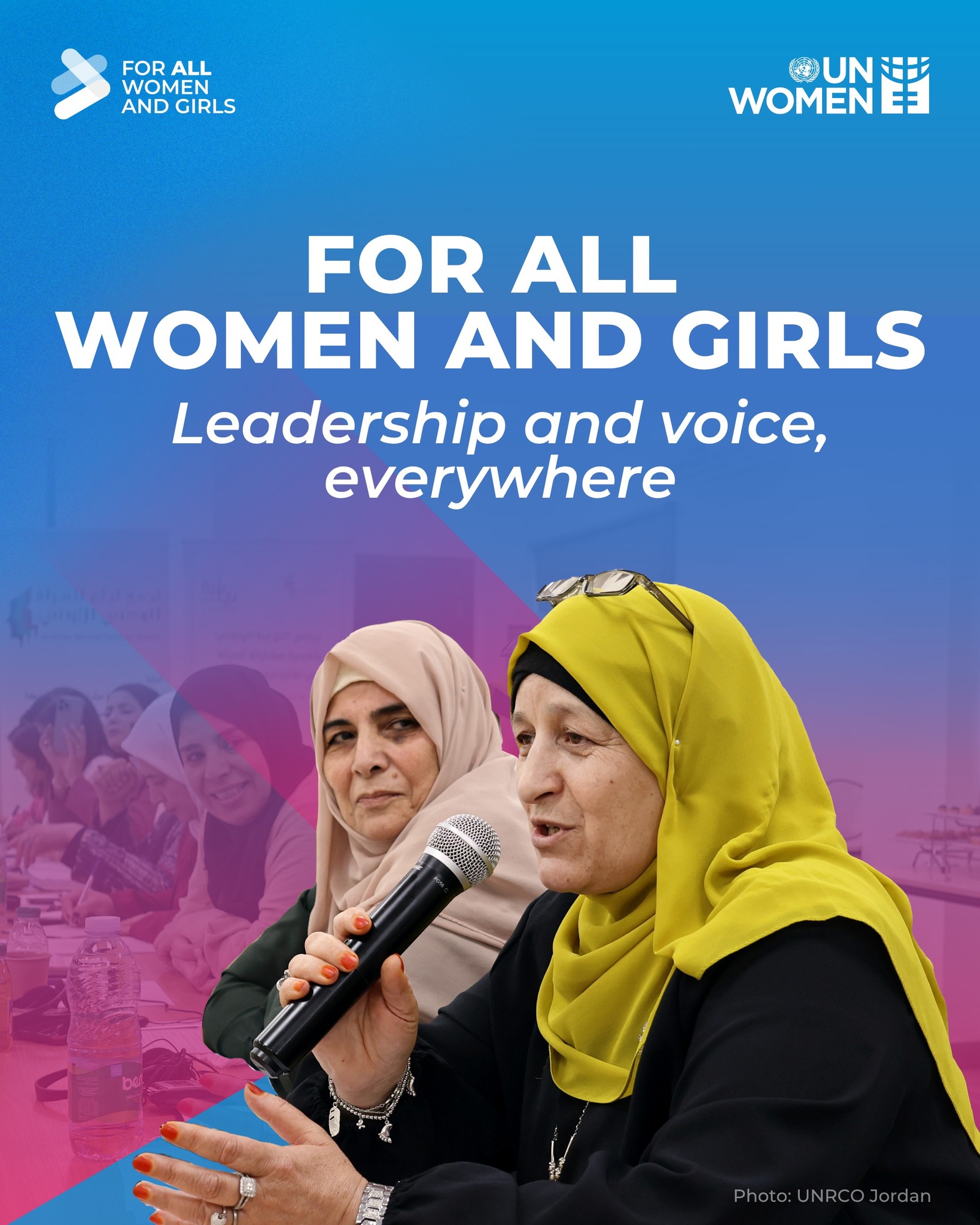
In the 80-year history of the United Nations there has never been a woman as secretary general.
This year as Secretary-General Antonio Guterres's second term ends on December 31, 2026, many are saying, “It's Her Turn!”
One group that is actively campaigning to elect a woman secretary general (SG) (www.womansg.net) has compiled a list of notable women. Several are leaders of UN entities including UN Women Executive Director Sima Sami Bahous of Jordan and Rebeca Grynspan, a Costa Rican economist and head of the UN Conference on Trade and Development (UNCTAD). There are also some well-known political figures such as former Chilean president Michelle Batchelet and New Zealand's ex-prime minister Jacinda Arden.
- Details
- By Gail Sandlin
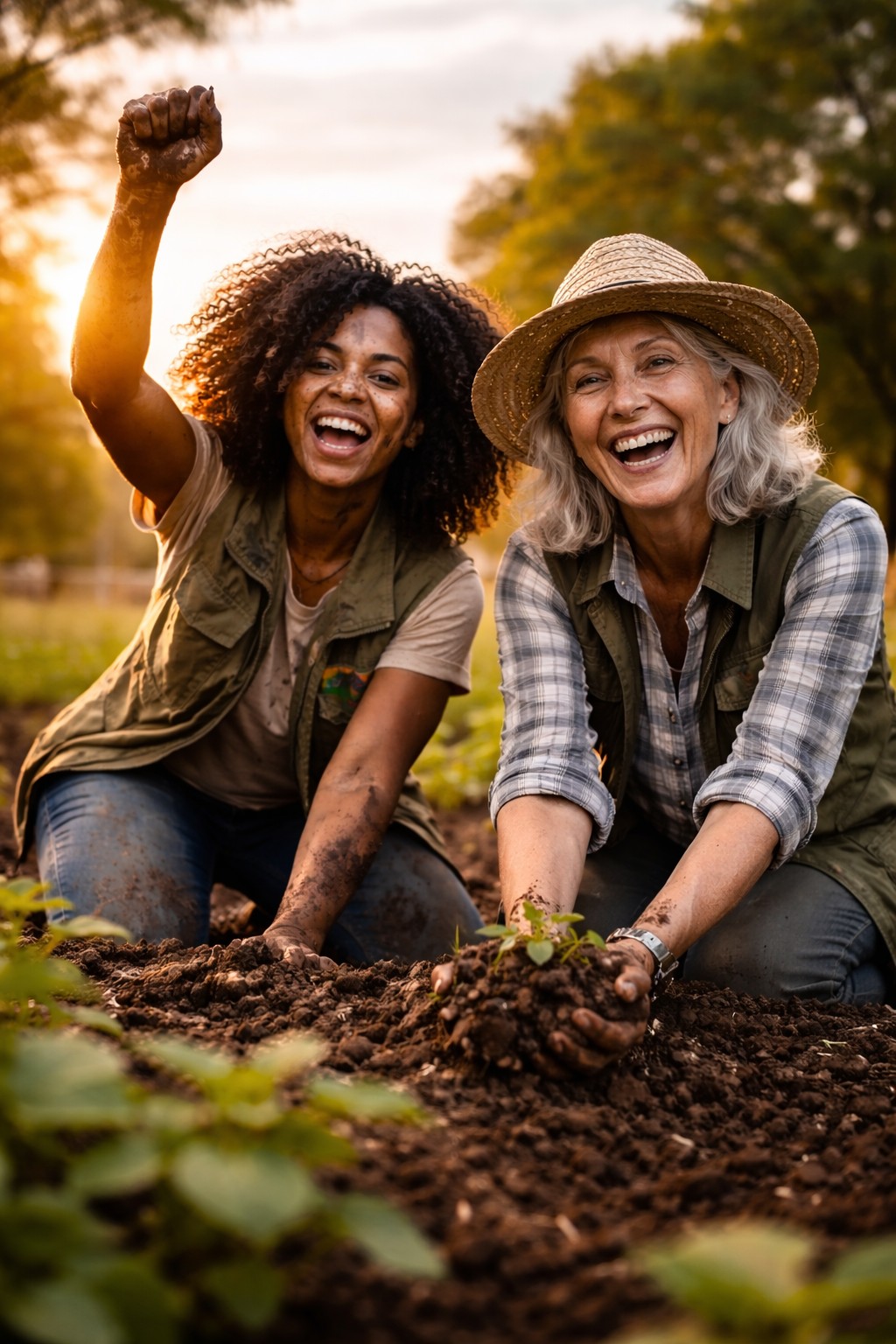
In every community, there is often someone who quietly tends the forest or field with hands in soil, nurturing its gifts, sharing knowledge, quietly understanding what each generation can rightfully take and must carefully preserve. There may also be someone who stands with fist in air to defend that same land and its biodiversity, confronting forces that would extract or consume all that there is leaving behind a barren or threatened environment. Both are environmental defenders, and if those defenders are women, then they are acknowledged in the Gender Action Plan of the UN’s COP30.
- Details
- By Tina Huesing, ICUUW Board President
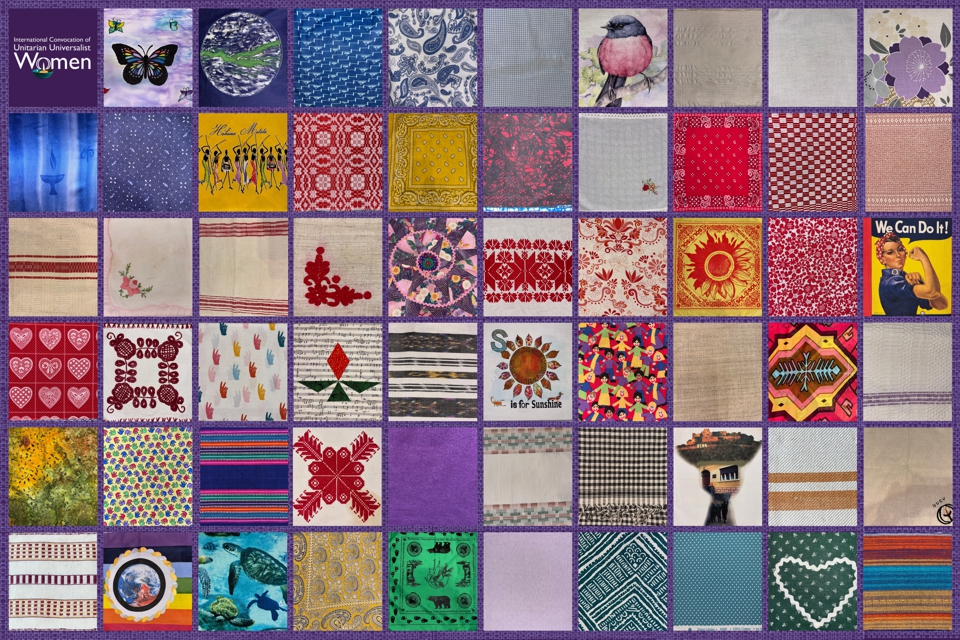
A virtual ICUUW Wall Hanging
We have some very creative women in our midst! Above please find our very first ICUUW virtual wall-hanging, made up of 60 squares contributed by ICUUW members from around the world. We are celebrating beauty and solidarity.
The Matching Game
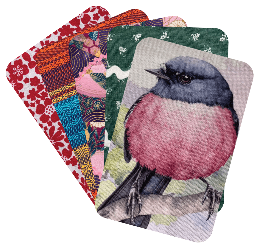 Do you know the card game Memory? Maybe you know it as Concentration? Or Pairs, Pexeso, Pelmanism, or by some other name? ICUUW now has its own version.
We selected 24 images of textiles that women from ten countries had brought with them to our convocation in the fall of 2024. And these images come with their stories and names and places. Can you match a story with the image of a textile? Can you match a textile with its country of origin? Everyone who donated to ICUUW in December has received a copy of the game. It’s available in both English and Hungarian.
This was a wonderful project completed by ICUUW member Ani Oltean. A big thank you to all women who contributed their stories and the women who developed the idea for this game. There is so much creativity when women get together!
- Details
- By Zsófia Sztranyiczki on behalf of the Storytelling Project Team
In the Spirit of the 4th Convocation

Following the 4th Convocation in Kolozsvár/Cluj, Romania, September 2024, we launched an appeal for contributions for a publication carrying forward the spirit of the Convocation – and our shared commitment to a better world. Convocation participants were invited to submit writings honoring the theme of the event, "Weaving a Tapestry of Peace and New Perspectives:" personal stories or those of female ancestors that inspire and transform, contributing to a rich U/U tapestry creating peace, equity, respect, and dignity in the world.
To date, we have received 20 contributions, including 11 in Hungarian. We are currently in the process of selecting, editing, and translating the writings received; once this stage is finalized, we will work on including illustrations of the textiles that participants were asked to bring to the 4th Convocation.
In this age of "unpeace" (a term coined by British political scientist and author Mark Leonard), we need one another. We need to connect with each other and create positive ways to respond to a world engulfed in turmoil and uncertainty. This project will weave our own individual "threads" into a global U/U tapestry; a rich tapestry that offers hope, inspiration, and resilience, strengthening the fabric of our U/U community worldwide.
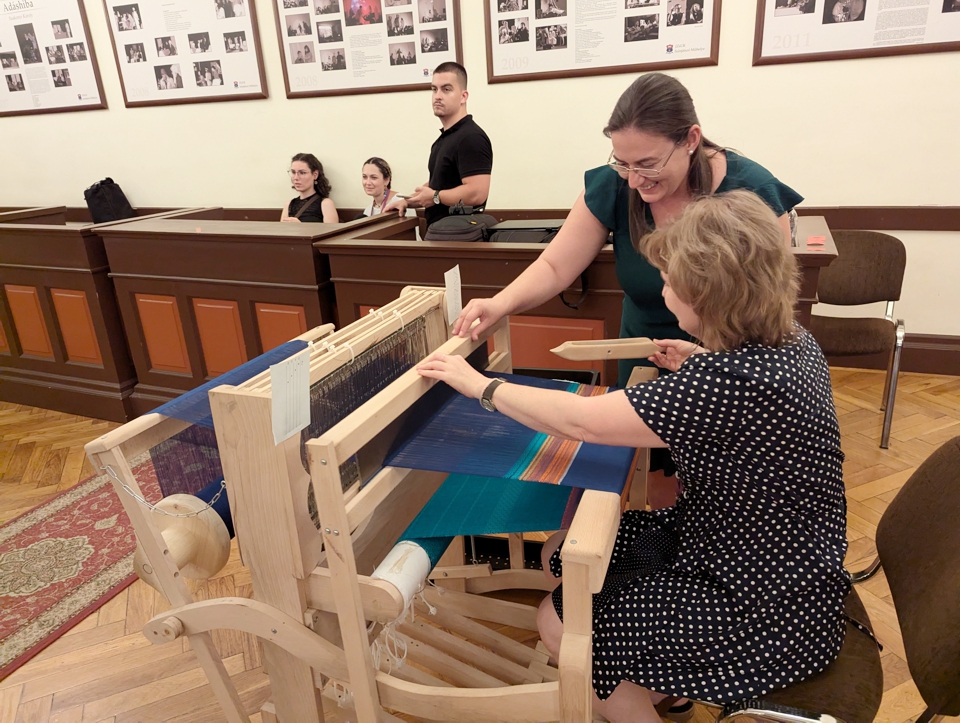
Photo: Textile woven together by participants at ICUUW 4th Convocation, Sept 2024
- Details
- By Tina Huesing, President
ICUUW today signed on to a declaration advancing gender justice.
Background
In December 2024 the United Nations (UN) General Assembly adopted a resolution that mandates a meeting in 2028 and 2029 with the intended outcome of an international convention to prevent and punish crimes against humanity. The Global Justice Center, in collaboration with many other organizations including ICUUW, is working on strengthening gender justice in this new convention. A working group at the UN will meet for the first time later this month, beginning the process of shaping the treaty to be negotiated formally in 2028-29. This declaration is provided as input to the working group.
- Details
- By ICUUW Staff
We are looking for our next Executive Director. The position is available January 1, 2026 and will stay open until filled. Applications are reviewed continuously. Interested? Then send us your expression of interest to
Executive Director
International Convocation of Unitarian Universalist Women
The ICUUW is a global partnership of Unitarian*Universalists who work for all women’s and girls’ equity through Unitarian Universalist connections around the world. We connect women to advance women’s leadership and self-determination. We work together to end all forms of discrimination.
- Details
- By Karen Kortsch ICUUW Executive Director
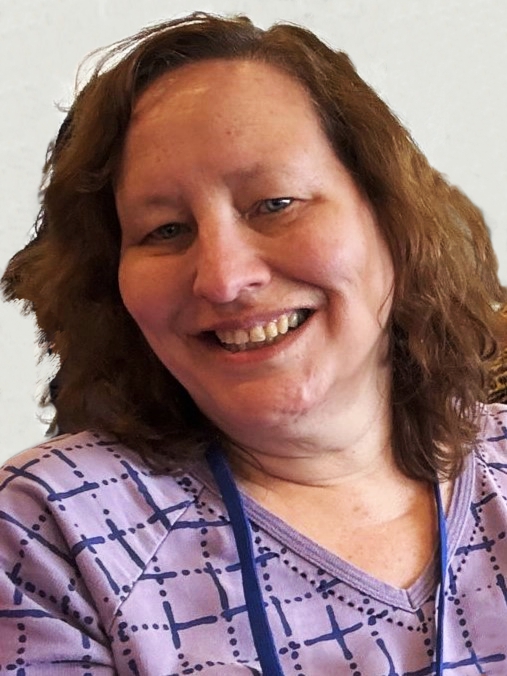 Beloved Members and Friends,
This year has been a time of great joy and challenges for our organization as well as for me. Changing roles and stepping into the position of Executive Director gave me an even greater appreciation for what Zsófi did for ICUUW. As we look ahead to next year, a new and exciting chapter begins.
This newsletter is a testament to all the ways that our members and staff are working hard to further our mission. Ending discrimination against women and girls around the world is a job that requires all of our hands, minds and hearts. It also requires your ongoing financial support. We are kicking off our year end fundraiser soon and I hope you will be inspired to give generously. As I transition out of this role and we welcome a new Executive Director, I thank you all for your love and support during this time. Let’s keep the love flowing. Think about what ICUUW means to you at this time of giving. Happy Holidays to you and yours.
Gratefully,
Karen Kortsch
ICUUW Executive Director
- Details
- By Elgiva Shullai, India
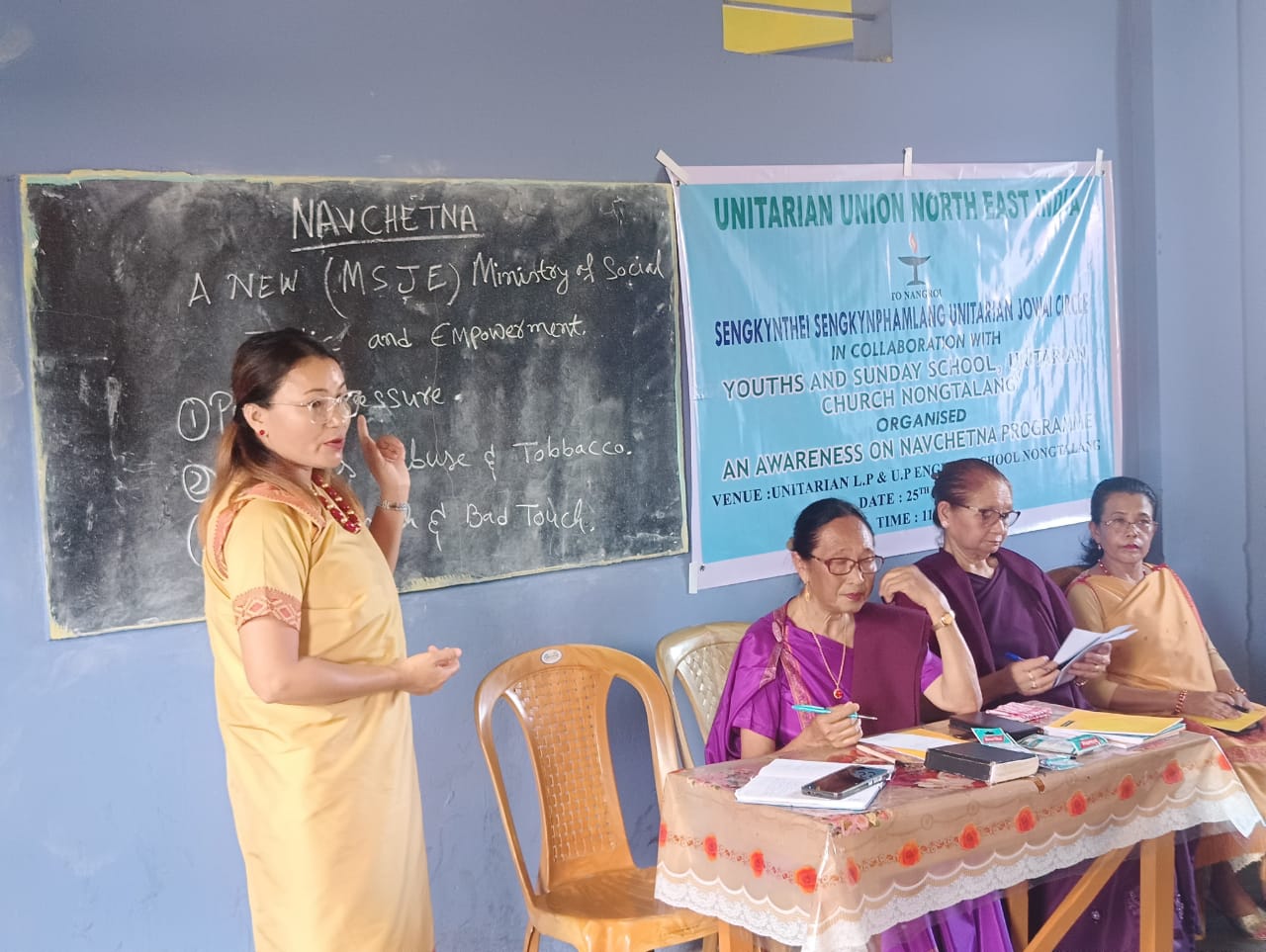
Conducted by Seng Kynthei, UUNEI
The program Navchetna: a New Consciousness on Life Skills and Drug Education was designed for all Unitarian Schools and Sunday school children in India. It has many modules for training which has made it easier for trainers to plan their training schedule.
Although the program is focused on children of the ages between 10 and 18, we have included children of all age groups in our Sunday school curriculum as there are many things that the younger ones also need to learn.